Language: English











Post-Fire Structural Restoration of Industrial Factory Complex
CFRP Reinforcement
By directly compensating for lost load-bearing capacity, addressing structural cracks, and enhancing overall stability, the CFRP strengthening system enabled the facility to be brought back into operational service with minimal downtime — and with improved structural resilience for the future.

Project Overview
A devastating fire broke out in a large-scale industrial factory complex, subjecting the reinforced concrete structural elements to extreme temperatures. The incident resulted in widespread structural damage across three factory buildings with a combined floor area of approximately 40,000 square meters.


Damage Assessment
High-Temperature-Induced Structural Failures:
Extensive cracking and explosive spalling of concrete cover across columns, beams, and slabs
Exposure and progressive corrosion of reinforcing steel bars due to loss of concrete protection
Significant reduction in overall load-bearing capacity of primary structural members
Thermal stress-induced deformation in key load transfer zones
Severity Classification
| Damage Level | Structural Condition | Intervention |
|---|---|---|
| Minor | Surface cracks, intact load capacity | Surface cleaning + fire-resistant coating |
| Moderate | Cracking with partial capacity loss | CFRP strengthening system |
| Severe | Concrete disintegration, steel yielding | Full demolition and reconstruction |
Solution
CFRP Structural Strengthening
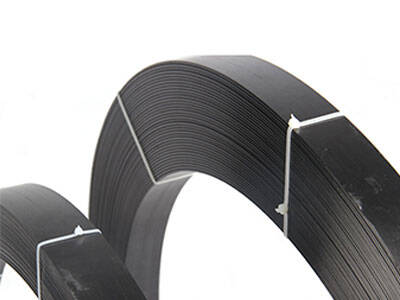
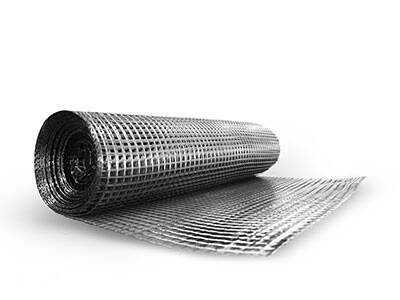
Given the scale of the affected area (40,000 m² across three buildings) and the need for rapid structural restoration, a Carbon Fiber Reinforced Polymer (CFRP) strengthening system was selected as the primary remediation strategy.


Why CFRP:
High tensile strength directly compensates for the loss of concrete compressive capacity caused by fire exposure
Lightweight — minimal additional dead load on thermally weakened structural elements
Rapid installation — critical for minimizing operational downtime across a large industrial facility
Corrosion resistance — essential in post-fire environments where moisture and chemical contaminants are present
CFRP System Design
The CFRP system was designed in accordance with ACI 440.2R (Guide for the Design and Construction of Externally Bonded FRP Systems)
CFRP Construction
Surface Preparation
All fire-damaged concrete surfaces were thoroughly cleaned, loose material removed, and cracks routed and sealed prior to CFRP application.
Application Method
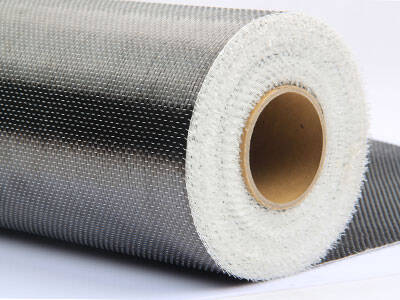
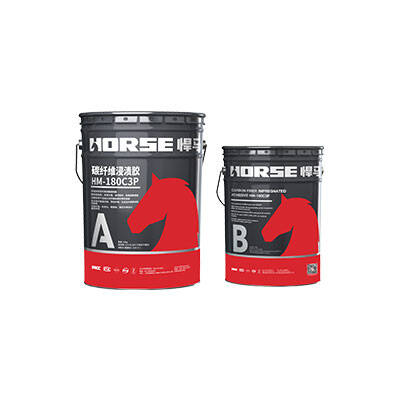
For beams and slabs: Externally bonded carbon fiber fabric, designed to restore flexural and shear capacity.

By directly compensating for lost load-bearing capacity, addressing structural cracks, and enhancing overall stability, the CFRP strengthening system enabled the facility to be brought back into operational service with minimal downtime — and with improved structural resilience for the future.

Project Video
Fire Damage Restoration | Carbon Fiber CFRP Reinforcement